Kate Derwin and her Connemara..@TeamIRLEq

TRM Ireland liked

These Irish Pony riders are simply unbeatable !!! – Athlone’s Kate Derwin wins the FEI Pony Trophy warm-up at the Stuttgart German Masters with the brilliant Connemara Pony Cul Ban Mistress – Kilkenny’s Seamus Hughes-Kennedy 2nd and Charlotte Houston in 4th

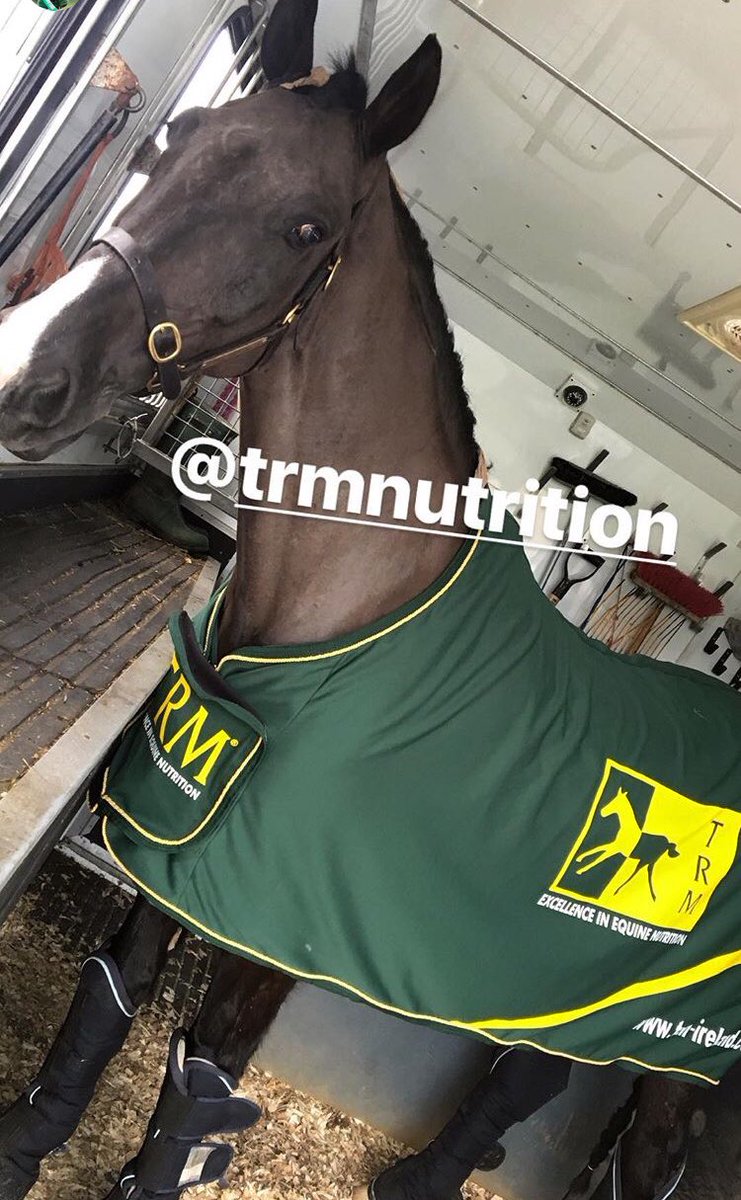
Man on horse bigger than man on foot..@trmnutrition #western


trmnutrition
🙌 𝑭𝒓𝒊𝒅𝒂𝒚 𝑴𝒐𝒕𝒊𝒗𝒂𝒕𝒊𝒐𝒏 🙌

𝓐 𝓶𝓪𝓷 𝓸𝓷 𝓪 𝓱𝓸𝓻𝓼𝓮 𝓲𝓼 𝓼𝓹𝓲𝓻𝓲𝓽𝓾𝓪𝓵𝓵𝔂 𝓪𝓼 𝔀𝓮𝓵𝓵 𝓪𝓼 𝓹𝓱𝔂𝓼𝓲𝓬𝓪𝓵𝓵𝔂…

…𝓑𝓘𝓖𝓖𝓔𝓡 𝓽𝓱𝓪𝓷 𝓪 𝓶𝓪𝓷 𝓸𝓷 𝓯𝓸𝓸𝓽!

– 𝐉𝐨𝐡𝐧 𝐒𝐭𝐞𝐢𝐧𝐛𝐞𝐜𝐤

#trm #firdaymotivation
.
.
.
.
.
.
#horsefeed #horse #horses #equine #equestrian #horsehealth #horsenutrition #horsesofinstagram #horsesupplements #horsefeeding #showjumping #equestrianlife #horseriding #supplements #equinehealth #healthyhorse #horsepower #TRMNutrition #horselovers #trmireland #trmnutritionproducts #trmsupplements #horsecare #equinenutrition #horselife #horselove #equinesupplements #equestrian
1w

Signs of an electrolyte imbalance in your horse @TRMNutrition #horseaware

TRM® Nutrition | Equine Health

@TRMNutrition

·

𝐀𝐫𝐞 𝐲𝐨𝐮 𝐚𝐰𝐚𝐫𝐞 𝐨𝐟 𝐭𝐡𝐞 𝐬𝐢𝐠𝐧𝐬 𝐨𝐟 𝐚𝐧 𝐞𝐥𝐞𝐜𝐭𝐫𝐨𝐥𝐲𝐭𝐞 𝐢𝐦𝐛𝐚𝐥𝐚𝐧𝐜𝐞 𝐢𝐧 𝐲𝐨𝐮𝐫 𝐡𝐨𝐫𝐬𝐞? Read our advice bl

·

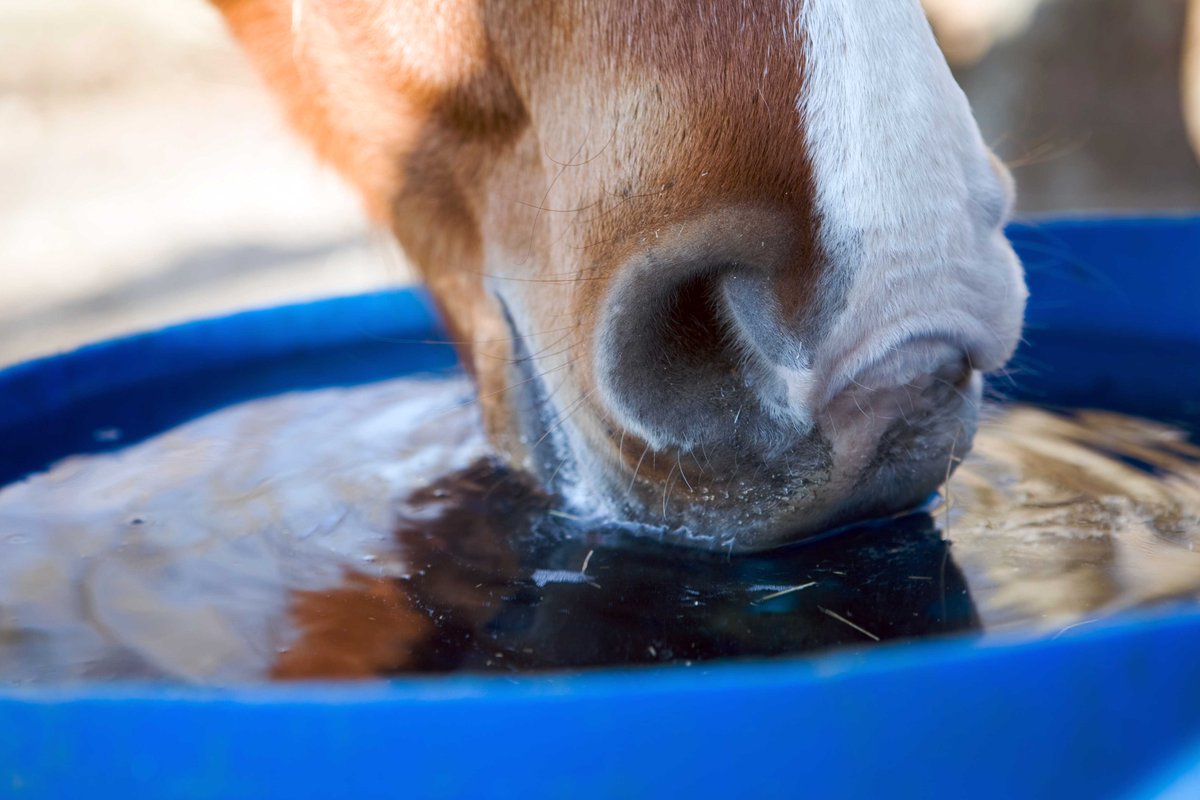
Electrolytes & horse – A necessity not a luxury!

Electrolytes are charged particles, which when dissolved in water or body fluids produce positive (cations) and negative (anions) ions. These ions have a crucial role in maintaining normal health and functioning of the body in a horse.

They ensure smooth working of enzymatic pathways, nervous, cardiac, musculo-skeletal and even digestive system, apart from also helping maintain osmotic pressure and fluid balance. As a result, a balanced homeostasis (body’s ability to maintain a stable internal environment) is achieved.

The 5 major ions required by a growing and an adult horse include sodium (Na+), potassium (K+), chloride (Cl), calcium (Ca2+) and magnesium (Mg2+).

Functions of the major ions: 
  • Sodium (Na+) 
    Most abundant extracellular ion, maintains blood pressure and nerve impulse, replenishes negative sodium levels due to sweating while exercising, working and in conditions like diarrhoea.  
  • Potassium (K+) 
    Present as intracellular ion, maintains nerve impulses, cardiac health and in conjunction with Na+ ensures osmotic and acid-base balance.
  • Chloride (Cl)
    Most significant extracellular anion, helps maintain isotonicity and co-exists with sodium to maintain fluid balance. 
  • Calcium (Ca2+)
    Present as extracellular ion, regulates membrane potential (neuromuscular) which is crucial for muscle contraction and relaxation including the cardiac muscles. 
  • Magnesium (Mg2+)
    Second most abundant intracellular cation, works as co-factor of various enzymatic activities in numerous metabolic pathways, phosphate transfers, muscle contractility and neuronal transmission.

Signs of an electrolyte imbalance in your horse @TRMNutrition #horseaware

TRM® Nutrition | Equine Health

@TRMNutrition

·

𝐀𝐫𝐞 𝐲𝐨𝐮 𝐚𝐰𝐚𝐫𝐞 𝐨𝐟 𝐭𝐡𝐞 𝐬𝐢𝐠𝐧𝐬 𝐨𝐟 𝐚𝐧 𝐞𝐥𝐞𝐜𝐭𝐫𝐨𝐥𝐲𝐭𝐞 𝐢𝐦𝐛𝐚𝐥𝐚𝐧𝐜𝐞 𝐢𝐧 𝐲𝐨𝐮𝐫 𝐡𝐨𝐫𝐬𝐞? Read our advice bl

·

Electrolytes & horse – A necessity not a luxury!

Electrolytes are charged particles, which when dissolved in water or body fluids produce positive (cations) and negative (anions) ions. These ions have a crucial role in maintaining normal health and functioning of the body in a horse.

They ensure smooth working of enzymatic pathways, nervous, cardiac, musculo-skeletal and even digestive system, apart from also helping maintain osmotic pressure and fluid balance. As a result, a balanced homeostasis (body’s ability to maintain a stable internal environment) is achieved.

The 5 major ions required by a growing and an adult horse include sodium (Na+), potassium (K+), chloride (Cl), calcium (Ca2+) and magnesium (Mg2+).

Functions of the major ions: 
  • Sodium (Na+) 
    Most abundant extracellular ion, maintains blood pressure and nerve impulse, replenishes negative sodium levels due to sweating while exercising, working and in conditions like diarrhoea.  
  • Potassium (K+) 
    Present as intracellular ion, maintains nerve impulses, cardiac health and in conjunction with Na+ ensures osmotic and acid-base balance.
  • Chloride (Cl)
    Most significant extracellular anion, helps maintain isotonicity and co-exists with sodium to maintain fluid balance. 
  • Calcium (Ca2+)
    Present as extracellular ion, regulates membrane potential (neuromuscular) which is crucial for muscle contraction and relaxation including the cardiac muscles. 
  • Magnesium (Mg2+)
    Second most abundant intracellular cation, works as co-factor of various enzymatic activities in numerous metabolic pathways, phosphate transfers, muscle contractility and neuronal transmission.

𝐀𝐫𝐞 𝐲𝐨𝐮 𝐚𝐰𝐚𝐫𝐞 𝐨𝐟 𝐭𝐡𝐞 𝐬𝐢𝐠𝐧𝐬 𝐨𝐟 𝐚𝐧 𝐞𝐥𝐞𝐜𝐭𝐫𝐨𝐥𝐲𝐭𝐞 𝐢𝐦𝐛𝐚𝐥𝐚𝐧𝐜𝐞 𝐢𝐧 𝐲𝐨𝐮𝐫 𝐡𝐨𝐫𝐬𝐞? @TRMNutrition #horseaware

TRM® Nutrition | Equine Health

@TRMNutrition

·

𝐀𝐫𝐞 𝐲𝐨𝐮 𝐚𝐰𝐚𝐫𝐞 𝐨𝐟 𝐭𝐡𝐞 𝐬𝐢𝐠𝐧𝐬 𝐨𝐟 𝐚𝐧 𝐞𝐥𝐞𝐜𝐭𝐫𝐨𝐥𝐲𝐭𝐞 𝐢𝐦𝐛𝐚𝐥𝐚𝐧𝐜𝐞 𝐢𝐧 𝐲𝐨𝐮𝐫 𝐡𝐨𝐫𝐬𝐞? Read our advice bl

·

Electrolytes & horse – A necessity not a luxury!

Electrolytes are charged particles, which when dissolved in water or body fluids produce positive (cations) and negative (anions) ions. These ions have a crucial role in maintaining normal health and functioning of the body in a horse.

They ensure smooth working of enzymatic pathways, nervous, cardiac, musculo-skeletal and even digestive system, apart from also helping maintain osmotic pressure and fluid balance. As a result, a balanced homeostasis (body’s ability to maintain a stable internal environment) is achieved.

The 5 major ions required by a growing and an adult horse include sodium (Na+), potassium (K+), chloride (Cl), calcium (Ca2+) and magnesium (Mg2+).

Functions of the major ions: 
  • Sodium (Na+) 
    Most abundant extracellular ion, maintains blood pressure and nerve impulse, replenishes negative sodium levels due to sweating while exercising, working and in conditions like diarrhoea.  
  • Potassium (K+) 
    Present as intracellular ion, maintains nerve impulses, cardiac health and in conjunction with Na+ ensures osmotic and acid-base balance.
  • Chloride (Cl)
    Most significant extracellular anion, helps maintain isotonicity and co-exists with sodium to maintain fluid balance. 
  • Calcium (Ca2+)
    Present as extracellular ion, regulates membrane potential (neuromuscular) which is crucial for muscle contraction and relaxation including the cardiac muscles. 
  • Magnesium (Mg2+)
    Second most abundant intracellular cation, works as co-factor of various enzymatic activities in numerous metabolic pathways, phosphate transfers, muscle contractility and neuronal transmission.