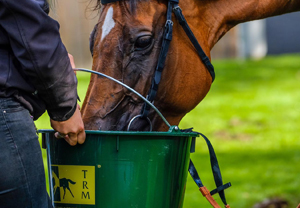
Signs of an electrolyte imbalance in your horse @TRMNutrition #horseaware

TRM® Nutrition | Equine Health

@TRMNutrition

·

𝐀𝐫𝐞 𝐲𝐨𝐮 𝐚𝐰𝐚𝐫𝐞 𝐨𝐟 𝐭𝐡𝐞 𝐬𝐢𝐠𝐧𝐬 𝐨𝐟 𝐚𝐧 𝐞𝐥𝐞𝐜𝐭𝐫𝐨𝐥𝐲𝐭𝐞 𝐢𝐦𝐛𝐚𝐥𝐚𝐧𝐜𝐞 𝐢𝐧 𝐲𝐨𝐮𝐫 𝐡𝐨𝐫𝐬𝐞? Read our advice bl

·

Electrolytes & horse – A necessity not a luxury!

Electrolytes are charged particles, which when dissolved in water or body fluids produce positive (cations) and negative (anions) ions. These ions have a crucial role in maintaining normal health and functioning of the body in a horse.

They ensure smooth working of enzymatic pathways, nervous, cardiac, musculo-skeletal and even digestive system, apart from also helping maintain osmotic pressure and fluid balance. As a result, a balanced homeostasis (body’s ability to maintain a stable internal environment) is achieved.

The 5 major ions required by a growing and an adult horse include sodium (Na+), potassium (K+), chloride (Cl), calcium (Ca2+) and magnesium (Mg2+).

Functions of the major ions: 
  • Sodium (Na+) 
    Most abundant extracellular ion, maintains blood pressure and nerve impulse, replenishes negative sodium levels due to sweating while exercising, working and in conditions like diarrhoea.  
  • Potassium (K+) 
    Present as intracellular ion, maintains nerve impulses, cardiac health and in conjunction with Na+ ensures osmotic and acid-base balance.
  • Chloride (Cl)
    Most significant extracellular anion, helps maintain isotonicity and co-exists with sodium to maintain fluid balance. 
  • Calcium (Ca2+)
    Present as extracellular ion, regulates membrane potential (neuromuscular) which is crucial for muscle contraction and relaxation including the cardiac muscles. 
  • Magnesium (Mg2+)
    Second most abundant intracellular cation, works as co-factor of various enzymatic activities in numerous metabolic pathways, phosphate transfers, muscle contractility and neuronal transmission.

“Racing is an extremely demanding sport” @rachaelblackmor @KPMG_Ireland #horseaware

Rachael Blackmore Retweeted

KPMG Ireland

@KPMG_Ireland

·

It’s year round for Jump Jockey

@rachaelblackmor

🏇 Over the next week, Rachael is racing in Clonmel, Galway, Wexford, Thurles, Down Royal and Cork. #LevelGround #WomenInSport

Signs of an electrolyte imbalance in your horse @TRMNutrition #horseaware

TRM® Nutrition | Equine Health

@TRMNutrition

·

𝐀𝐫𝐞 𝐲𝐨𝐮 𝐚𝐰𝐚𝐫𝐞 𝐨𝐟 𝐭𝐡𝐞 𝐬𝐢𝐠𝐧𝐬 𝐨𝐟 𝐚𝐧 𝐞𝐥𝐞𝐜𝐭𝐫𝐨𝐥𝐲𝐭𝐞 𝐢𝐦𝐛𝐚𝐥𝐚𝐧𝐜𝐞 𝐢𝐧 𝐲𝐨𝐮𝐫 𝐡𝐨𝐫𝐬𝐞? Read our advice bl

·

Electrolytes & horse – A necessity not a luxury!

Electrolytes are charged particles, which when dissolved in water or body fluids produce positive (cations) and negative (anions) ions. These ions have a crucial role in maintaining normal health and functioning of the body in a horse.

They ensure smooth working of enzymatic pathways, nervous, cardiac, musculo-skeletal and even digestive system, apart from also helping maintain osmotic pressure and fluid balance. As a result, a balanced homeostasis (body’s ability to maintain a stable internal environment) is achieved.

The 5 major ions required by a growing and an adult horse include sodium (Na+), potassium (K+), chloride (Cl), calcium (Ca2+) and magnesium (Mg2+).

Functions of the major ions: 
  • Sodium (Na+) 
    Most abundant extracellular ion, maintains blood pressure and nerve impulse, replenishes negative sodium levels due to sweating while exercising, working and in conditions like diarrhoea.  
  • Potassium (K+) 
    Present as intracellular ion, maintains nerve impulses, cardiac health and in conjunction with Na+ ensures osmotic and acid-base balance.
  • Chloride (Cl)
    Most significant extracellular anion, helps maintain isotonicity and co-exists with sodium to maintain fluid balance. 
  • Calcium (Ca2+)
    Present as extracellular ion, regulates membrane potential (neuromuscular) which is crucial for muscle contraction and relaxation including the cardiac muscles. 
  • Magnesium (Mg2+)
    Second most abundant intracellular cation, works as co-factor of various enzymatic activities in numerous metabolic pathways, phosphate transfers, muscle contractility and neuronal transmission.

𝐀𝐫𝐞 𝐲𝐨𝐮 𝐚𝐰𝐚𝐫𝐞 𝐨𝐟 𝐭𝐡𝐞 𝐬𝐢𝐠𝐧𝐬 𝐨𝐟 𝐚𝐧 𝐞𝐥𝐞𝐜𝐭𝐫𝐨𝐥𝐲𝐭𝐞 𝐢𝐦𝐛𝐚𝐥𝐚𝐧𝐜𝐞 𝐢𝐧 𝐲𝐨𝐮𝐫 𝐡𝐨𝐫𝐬𝐞? @TRMNutrition #horseaware

TRM® Nutrition | Equine Health

@TRMNutrition

·

𝐀𝐫𝐞 𝐲𝐨𝐮 𝐚𝐰𝐚𝐫𝐞 𝐨𝐟 𝐭𝐡𝐞 𝐬𝐢𝐠𝐧𝐬 𝐨𝐟 𝐚𝐧 𝐞𝐥𝐞𝐜𝐭𝐫𝐨𝐥𝐲𝐭𝐞 𝐢𝐦𝐛𝐚𝐥𝐚𝐧𝐜𝐞 𝐢𝐧 𝐲𝐨𝐮𝐫 𝐡𝐨𝐫𝐬𝐞? Read our advice bl

·

Electrolytes & horse – A necessity not a luxury!

Electrolytes are charged particles, which when dissolved in water or body fluids produce positive (cations) and negative (anions) ions. These ions have a crucial role in maintaining normal health and functioning of the body in a horse.

They ensure smooth working of enzymatic pathways, nervous, cardiac, musculo-skeletal and even digestive system, apart from also helping maintain osmotic pressure and fluid balance. As a result, a balanced homeostasis (body’s ability to maintain a stable internal environment) is achieved.

The 5 major ions required by a growing and an adult horse include sodium (Na+), potassium (K+), chloride (Cl), calcium (Ca2+) and magnesium (Mg2+).

Functions of the major ions: 
  • Sodium (Na+) 
    Most abundant extracellular ion, maintains blood pressure and nerve impulse, replenishes negative sodium levels due to sweating while exercising, working and in conditions like diarrhoea.  
  • Potassium (K+) 
    Present as intracellular ion, maintains nerve impulses, cardiac health and in conjunction with Na+ ensures osmotic and acid-base balance.
  • Chloride (Cl)
    Most significant extracellular anion, helps maintain isotonicity and co-exists with sodium to maintain fluid balance. 
  • Calcium (Ca2+)
    Present as extracellular ion, regulates membrane potential (neuromuscular) which is crucial for muscle contraction and relaxation including the cardiac muscles. 
  • Magnesium (Mg2+)
    Second most abundant intracellular cation, works as co-factor of various enzymatic activities in numerous metabolic pathways, phosphate transfers, muscle contractility and neuronal transmission.

Another Masterclass – Epsom Derby – Ryan Moore gets Auguste Rodin first over the line for Aidan O’Brien #coolmore #horseaware

1.30 1m. 4f. 6yds. (Class 1) 3-y-o14 Ran
Betfred Derby (Group 1) (British Champions Series) of £1,561,950.00 3-y-o

1st – £885,782.00, 2nd – £335,819.00, 3rd – £168,066.00, 4th – £83,721.00, 5th – £42,016.00, 6th – £21,086.00 14 Ran

1st

silks

Auguste Rodin (IRE)3, br c 9-2 (M Tabor/d Smith/mrs J Magnier/westerbe)
(Drawn 10) Rated 117
Deep Impact (JPN) – Rhododendron (IRE)(Galileo (IRE))
Breeder – Coolmore

(Morning price: 5/2 3/1 10/3 7/2 4/1 7/2 4/1 5/1)
(Ring price: 9/2 5/1 9/2) SP 9/2

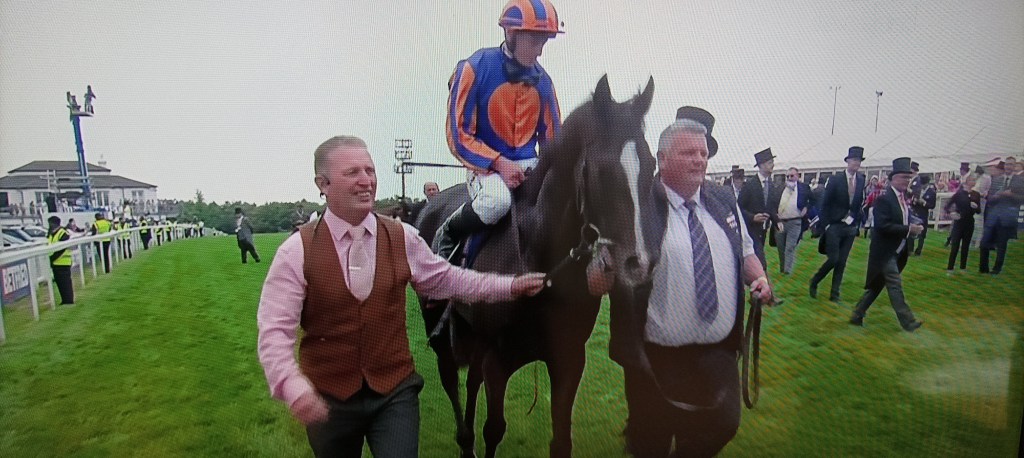
Aidan O’Brien does it again -another Epsom Derby- Ryan Moore gets Auguste Rodin first over the line. Seen here with Anne Marie O’Brien #coolmore #horseaware

1.30 1m. 4f. 6yds. (Class 1) 3-y-o14 Ran
Betfred Derby (Group 1) (British Champions Series) of £1,561,950.00 3-y-o

1st – £885,782.00, 2nd – £335,819.00, 3rd – £168,066.00, 4th – £83,721.00, 5th – £42,016.00, 6th – £21,086.00 14 Ran

1st

silks

Auguste Rodin (IRE)3, br c 9-2 (M Tabor/d Smith/mrs J Magnier/westerbe)
(Drawn 10) Rated 117
Deep Impact (JPN) – Rhododendron (IRE)(Galileo (IRE))
Breeder – Coolmore

(Morning price: 5/2 3/1 10/3 7/2 4/1 7/2 4/1 5/1)
(Ring price: 9/2 5/1 9/2) SP 9/2

Another Masterclass – Epsom Derby – Ryan Moore gets Auguste Rodin first over the line for Aidan O’Brien #coolmore #horseaware

1.30 1m. 4f. 6yds. (Class 1) 3-y-o14 Ran
Betfred Derby (Group 1) (British Champions Series) of £1,561,950.00 3-y-o

1st – £885,782.00, 2nd – £335,819.00, 3rd – £168,066.00, 4th – £83,721.00, 5th – £42,016.00, 6th – £21,086.00 14 Ran

1st

silks

Auguste Rodin (IRE)3, br c 9-2 (M Tabor/d Smith/mrs J Magnier/westerbe)
(Drawn 10) Rated 117
Deep Impact (JPN) – Rhododendron (IRE)(Galileo (IRE))
Breeder – Coolmore

(Morning price: 5/2 3/1 10/3 7/2 4/1 7/2 4/1 5/1)
(Ring price: 9/2 5/1 9/2) SP 9/2