Travelling in the heat with your horse @horseandhound

horse trav in the heat tw 20716

9 tips for travelling in the heat with your horse

Travelling horses in hot weather

World Horse Welfare campaigns officer for research and education, Hannah Westen, gives her top tips for keeping horses hydrated when travelling by road.

1. Do your homework

If at all possible try to plan your travel around the weather conditions and avoid travelling during high temperatures and high humidity. If it is unavoidable pick the times of day when it’s likely to be coolest – setting off a bit earlier or later will make the experience much more pleasant for both you and your horse.

2. Plan ahead

Before setting off, it’s important to ensure horses are fully hydrated by providing them with unrestricted access to forage and water for at least six hours with plenty of space to rest and relax.

3. Prepare for the worst

Whilst it sounds pessimistic, when travelling by road you just never know when or for how long you might get held up, so make sure you have plenty of forage and water on board to keep your horses happy and healthy.

4. Provide good quality forage

Access to quality forage will not only maintain a healthy digestive system and provide an ongoing source of energy but also creates a small reservoir of fluid in the horse’s gut to help keep them hydrated.

5. Stick to frequent watering intervals

Horses should be offered water at least every four and a half hours whilst travelling, or more frequently in hot weather conditions.

6. Make water tempting

Anyone who has offered their horse a drink in an unfamiliar place will know that horses can be choosy about the type of container they will drink from and the taste of the water, but it’s important to stress that this doesn’t mean they’re not thirsty. If possible, try and take water from home and provide it in a bucket they are used to drinking from. In addition it’s always beneficial to familiarise them to different containers in case you can’t take your own. You can also try flavouring the water with apple juice.

7. Minimise stress

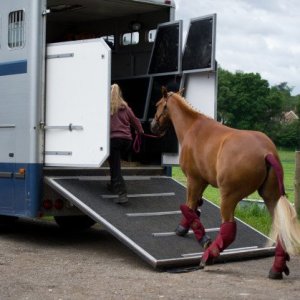
Horses can become dehydrated more quickly when they are stressed or unsettled so try to minimise this wherever possible. Loading and unloading are two of the main stressors for horses when travelling so make sure you do as much as you can to keep the process calm and relaxed. Practicing often without the pressure of heading to a show or event will help it become second nature and when you are on a schedule leave plenty of time to load. Ensure the vehicle is well ventilated and drive carefully to make the journey as comfortable as possible.

8. Prepare for the arrival

As with pre-planning before a journey, it’s just as important to give plentiful forage and water upon arrival at your destination. If you’re travelling to a show or event then make sure your horse has time to relax, eat and drink before competing or beginning exercise.

Like this? You might also enjoy reading these:

9. Know the signs of dehydration

Whilst a dehydrated horse can deteriorate quickly, dehydration can be very hard to spot so make sure you know what signs to look out for and can act fast if required. Indicators include depression, lethargy, dullness in eyes, decreased appetite, lack of or infrequent urination or defecation, licking surfaces, abnormal drinking behaviour such as drinking for extended periods of time, taking long draughts or gulping water.

Find out more at www.worldhorsewelfare.org

Jockey Hollie Doyle: ‘I never relax – you make yourself very vulnerable’


The female jockey of the year on weight-training, festive eating and getting her own back in the saddle
 

It is a time of year for sports enthusiasts to remember those less fortunate than themselves, which obviously includes jockeys, whose line of work means Christmas dinner is limited to a mouthful of turkey and a brussel sprout if they are lucky.

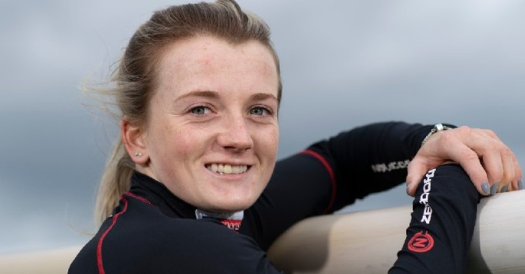
So runs the cliche, but it does not apply to Hollie Doyle, the newly crowned female jockey of the year, whose naturally low weight is just one of many reasons for her to be cheerful. Knowing she planned to ride on Boxing Day, it seems fair to ask Doyle if she can allow herself to indulge in any festive food when the 23-year-old spends Christmas with her parents in Herefordshire. “I’ll eat what I want,” she says, happily. “I don’t watch my weight. I eat what I want, when I want. So lucky!”

Doyle generally hovers around the 8st mark, though she can go lower if required, and it is not only in the area of diet that this gives her an advantage over most of her weighing room colleagues. It also gives her the freedom to pack on a bit of muscle and she has worked tirelessly over the last 18 months to improve her strength, with visible results on the track.

We meet at Oaksey House, the Injured Jockeys Fund’s £5m rehab and gym facility in Lambourn. Doyle is a regular. On a typical day, she will ride three lots up the gallops for local trainer Archie Watson, whose support has allowed her to flourish, then work out here before driving to the races.

Oaksey House’s strength and conditioning coach, Gavin Egan, reports “massive improvement” in the time he has been working with Doyle. “I would imagine she’s one of the strongest, pound-for-pound jockeys in the country,” he says. “There’s very few that would come in and lift as heavy as Hollie. She’s so light, she can gain muscle without it affecting her in terms of weight gain.

“She had 110kg from the ground today on a dead lift and she jumped up on a box as high as her shoulders. She squat-lifted 60kg, I think. And then she did a boxing session.”

Doyle is rueful as she recalls her apprentice days, when a regime of long runs got her very cardio-fit, at a cost. “I didn’t really need to do that because I was just getting lighter and lighter, stupidly.” Switching to strength work made her half a stone heavier. It also appears to have made her tougher to beat.

“It definitely has helped me, mentally. If you can lift 120kg up there, then mentally I know I’m strong. So I’m going into a race knowing I am strong and it makes you feel confident.

Hollie Doyle after winning on Vibrance at Kempton on 29 November.
 

Pinterest
Hollie Doyle after winning on Vibrance at Kempton on 29 November. Photograph: Steve Davies/racingfotos.com/Shutterstock

“But I don’t personally think brute strength is so important. You have to be a bit of a horseman. You see people that haven’t got an ounce of muscle on them and they can hold the strongest of horses. It’s technique. Strength helps. The stronger you can be, the better. But a lot of people can’t afford to be putting muscle mass on, because of their weight.”

Doyle’s previous best tally of winners in a year was 59 but in 2019, having teamed up with Watson, she has shattered that. At the time of writing, she is on 112, a new record for a female rider in Britain, placing her ninth among all Flat-racing jockeys this year.

There is to be no let-up, no time off to celebrate her landmark achievement. “My biggest fear is probably failure and I never relax or give myself an inch to take a step back, ‘cos I think then you’re making yourself very vulnerable. You know what it’s like in racing …”

In late November, when Flat racing had its quietest week of the year, she and her partner, fellow jockey Tom Marquand, allowed themselves a few days in the Caribbean. After landing back at Gatwick, she drove straight to Kempton, the record still in her sights at the time, and rode a 25-1 winner.

Naturally competitive, Doyle says she played scrum-half in a boys’ contact rugby team when she was 10. “I had to give up because I never grew. I’ve been this height since then. And all the boys got massive and I was just getting knocked around.”

Since she switched to race-riding, she has been a tougher opponent. “It is quite satisfying that people that once thought you wouldn’t be good enough and said things to you … fellow jockeys, they do it to everyone … I like thinking to myself, yeah, I remember when you said that. I don’t really get that intimidated. You can easily get pushed around in racing. I used to get pushed around all the time when I first started. If people can intimidate you, they will. You’ve just got to hold your ground.”

Chris Cook.

Hollie Doyle is an ambassador for Sky Sports Racing and attheraces.com. Sky Sports Racing broadcasts live horse racing daily

Rachel Allen’s Rhubarb Bread and Butter Pudding

rachels-mendiants-23117

Serves 4-6

You will need:

  • 450g (1lb) rhubarb, cut into 1cm (less than ½in) slices
  • 150g (5oz) caster sugar
  • 50g (2oz) butter, softened
  • 12 slices of white bread, crusts removed
  • 350ml (12fl oz) cream
  • 350ml (12fl oz) milk
  • 4 eggs
  • Pinch of salt
  • 2 tablespoons granulated sugar
  • Icing sugar, for dusting
  • Softly whipped cream, to serve

Scatter the sliced rhubarb in a 25cm (10in) square ovenproof dish or a similar-sized dish, and sprinkle over half (75g (2½ oz)) of the caster sugar. Toss together and then leave the rhubarb to sit for about 30 minutes to soften a little.

Preheat the oven to 180°C, 350°F, Gas 4. Butter the slices of white bread and arrange four slices, butter side down, in the ovenproof dish. Scatter over half of the sliced rhubarb and top with four more slices of bread, again with the butter side down. Repeat with another layer of sliced rhubarb and another layer of buttered bread, then add a final layer of sliced rhubarb and finish with a layer of buttered bread, ensuring that the bread is placed with the buttered side down.

Put the cream and the milk in a saucepan and bring it just to the boil. While it is coming to the boil, in a bowl, whisk the eggs, the pinch of salt and the remaining 75g (2½ oz) of caster sugar. As you continue to whisk, pour the hot cream and milk mixture into the egg, salt and caster sugar mixture until it is well mixed. Pour this custard over the slices of bread in the dish and leave to soak for 10 minutes. Sprinkle the granulated sugar over the top.

Put the dish into a deep-sided baking tray and pour in enough boiling water to come halfway up the sides of the dish (this is known as a bain-marie). Put it in the oven to bake for 45-50 minutes or until it is just set in the centre. Remove it from the oven and serve with a light dusting of icing sugar and softly whipped cream.

Scatter the sliced rhubarb in a 25cm (10in) square ovenproof dish or a similar-sized dish, and sprinkle over half (75g (2½ oz)) of the caster sugar. Toss together and then leave the rhubarb to sit for about 30 minutes to soften a little.

Preheat the oven to 180°C, 350°F, Gas 4. Butter the slices of white bread and arrange four slices, butter side down, in the ovenproof dish. Scatter over half of the sliced rhubarb and top with four more slices of bread, again with the butter side down. Repeat with another layer of sliced rhubarb and another layer of buttered bread, then add a final layer of sliced rhubarb and finish with a layer of buttered bread, ensuring that the bread is placed with the buttered side down.

Put the cream and the milk in a saucepan and bring it just to the boil. While it is coming to the boil, in a bowl, whisk the eggs, the pinch of salt and the remaining 75g (2½ oz) of caster sugar. As you continue to whisk, pour the hot cream and milk mixture into the egg, salt and caster sugar mixture until it is well mixed. Pour this custard over the slices of bread in the dish and leave to soak for 10 minutes. Sprinkle the granulated sugar over the top.

Put the dish into a deep-sided baking tray and pour in enough boiling water to come halfway up the sides of the dish (this is known as a bain-marie). Put it in the oven to bake for 45-50 minutes or until it is just set in the centre. Remove it from the oven and serve with a light dusting of icing sugar and softly whipped cream.

http://www.rachelallen.com/post/rhubarb-bread-and-butter-pudding


Rachel Allen’s Rhubarb Bread and Butter Pudding

rachels-mendiants-23117

Serves 4-6

You will need:

  • 450g (1lb) rhubarb, cut into 1cm (less than ½in) slices
  • 150g (5oz) caster sugar
  • 50g (2oz) butter, softened
  • 12 slices of white bread, crusts removed
  • 350ml (12fl oz) cream
  • 350ml (12fl oz) milk
  • 4 eggs
  • Pinch of salt
  • 2 tablespoons granulated sugar
  • Icing sugar, for dusting
  • Softly whipped cream, to serve

Scatter the sliced rhubarb in a 25cm (10in) square ovenproof dish or a similar-sized dish, and sprinkle over half (75g (2½ oz)) of the caster sugar. Toss together and then leave the rhubarb to sit for about 30 minutes to soften a little.

Preheat the oven to 180°C, 350°F, Gas 4. Butter the slices of white bread and arrange four slices, butter side down, in the ovenproof dish. Scatter over half of the sliced rhubarb and top with four more slices of bread, again with the butter side down. Repeat with another layer of sliced rhubarb and another layer of buttered bread, then add a final layer of sliced rhubarb and finish with a layer of buttered bread, ensuring that the bread is placed with the buttered side down.

Put the cream and the milk in a saucepan and bring it just to the boil. While it is coming to the boil, in a bowl, whisk the eggs, the pinch of salt and the remaining 75g (2½ oz) of caster sugar. As you continue to whisk, pour the hot cream and milk mixture into the egg, salt and caster sugar mixture until it is well mixed. Pour this custard over the slices of bread in the dish and leave to soak for 10 minutes. Sprinkle the granulated sugar over the top.

Put the dish into a deep-sided baking tray and pour in enough boiling water to come halfway up the sides of the dish (this is known as a bain-marie). Put it in the oven to bake for 45-50 minutes or until it is just set in the centre. Remove it from the oven and serve with a light dusting of icing sugar and softly whipped cream.

Scatter the sliced rhubarb in a 25cm (10in) square ovenproof dish or a similar-sized dish, and sprinkle over half (75g (2½ oz)) of the caster sugar. Toss together and then leave the rhubarb to sit for about 30 minutes to soften a little.

Preheat the oven to 180°C, 350°F, Gas 4. Butter the slices of white bread and arrange four slices, butter side down, in the ovenproof dish. Scatter over half of the sliced rhubarb and top with four more slices of bread, again with the butter side down. Repeat with another layer of sliced rhubarb and another layer of buttered bread, then add a final layer of sliced rhubarb and finish with a layer of buttered bread, ensuring that the bread is placed with the buttered side down.

Put the cream and the milk in a saucepan and bring it just to the boil. While it is coming to the boil, in a bowl, whisk the eggs, the pinch of salt and the remaining 75g (2½ oz) of caster sugar. As you continue to whisk, pour the hot cream and milk mixture into the egg, salt and caster sugar mixture until it is well mixed. Pour this custard over the slices of bread in the dish and leave to soak for 10 minutes. Sprinkle the granulated sugar over the top.

Put the dish into a deep-sided baking tray and pour in enough boiling water to come halfway up the sides of the dish (this is known as a bain-marie). Put it in the oven to bake for 45-50 minutes or until it is just set in the centre. Remove it from the oven and serve with a light dusting of icing sugar and softly whipped cream.

http://www.rachelallen.com/post/rhubarb-bread-and-butter-pudding


Rachel’s Rhubarb Bread and Butter Pudding

rachels-mendiants-23117

Serves 4-6

You will need:

  • 450g (1lb) rhubarb, cut into 1cm (less than ½in) slices
  • 150g (5oz) caster sugar
  • 50g (2oz) butter, softened
  • 12 slices of white bread, crusts removed
  • 350ml (12fl oz) cream
  • 350ml (12fl oz) milk
  • 4 eggs
  • Pinch of salt
  • 2 tablespoons granulated sugar
  • Icing sugar, for dusting
  • Softly whipped cream, to serve

Scatter the sliced rhubarb in a 25cm (10in) square ovenproof dish or a similar-sized dish, and sprinkle over half (75g (2½ oz)) of the caster sugar. Toss together and then leave the rhubarb to sit for about 30 minutes to soften a little.

Preheat the oven to 180°C, 350°F, Gas 4. Butter the slices of white bread and arrange four slices, butter side down, in the ovenproof dish. Scatter over half of the sliced rhubarb and top with four more slices of bread, again with the butter side down. Repeat with another layer of sliced rhubarb and another layer of buttered bread, then add a final layer of sliced rhubarb and finish with a layer of buttered bread, ensuring that the bread is placed with the buttered side down.

Put the cream and the milk in a saucepan and bring it just to the boil. While it is coming to the boil, in a bowl, whisk the eggs, the pinch of salt and the remaining 75g (2½ oz) of caster sugar. As you continue to whisk, pour the hot cream and milk mixture into the egg, salt and caster sugar mixture until it is well mixed. Pour this custard over the slices of bread in the dish and leave to soak for 10 minutes. Sprinkle the granulated sugar over the top.

Put the dish into a deep-sided baking tray and pour in enough boiling water to come halfway up the sides of the dish (this is known as a bain-marie). Put it in the oven to bake for 45-50 minutes or until it is just set in the centre. Remove it from the oven and serve with a light dusting of icing sugar and softly whipped cream.

Scatter the sliced rhubarb in a 25cm (10in) square ovenproof dish or a similar-sized dish, and sprinkle over half (75g (2½ oz)) of the caster sugar. Toss together and then leave the rhubarb to sit for about 30 minutes to soften a little.

Preheat the oven to 180°C, 350°F, Gas 4. Butter the slices of white bread and arrange four slices, butter side down, in the ovenproof dish. Scatter over half of the sliced rhubarb and top with four more slices of bread, again with the butter side down. Repeat with another layer of sliced rhubarb and another layer of buttered bread, then add a final layer of sliced rhubarb and finish with a layer of buttered bread, ensuring that the bread is placed with the buttered side down.

Put the cream and the milk in a saucepan and bring it just to the boil. While it is coming to the boil, in a bowl, whisk the eggs, the pinch of salt and the remaining 75g (2½ oz) of caster sugar. As you continue to whisk, pour the hot cream and milk mixture into the egg, salt and caster sugar mixture until it is well mixed. Pour this custard over the slices of bread in the dish and leave to soak for 10 minutes. Sprinkle the granulated sugar over the top.

Put the dish into a deep-sided baking tray and pour in enough boiling water to come halfway up the sides of the dish (this is known as a bain-marie). Put it in the oven to bake for 45-50 minutes or until it is just set in the centre. Remove it from the oven and serve with a light dusting of icing sugar and softly whipped cream.

http://www.rachelallen.com/post/rhubarb-bread-and-butter-pudding


We are hiring! Full Time Permanent Head Nurse Vacancy. @theirishbluecross


theirishbluecross
We are hiring! Full Time Permanent Head Nurse Vacancy. Are you an experienced vet nurse looking for a rewarding career move? Do you have leadership, excellent anesthesia and patient care skills? If so we would love to hear from you. Full details on how to apply on our website bluecross.ie and the link in our bio 😉 #jobfairy #vetnursejobs #vetnurselife #animals #animalwelfare #charity
1d